Looking to boost sales, retain customers, and streamline your sales pipeline, the most effective approach is to adopt a robust customer relationship management (CRM) strategy that unifies data, automates outreach, and personalizes every touchpoint. By centralizing customer data, aligning marketing and sales, and leveraging real‑time analytics, businesses can turn leads into loyal advocates—something the Ultimate 2026 Guide to CRM Tools demonstrates with concrete case studies.
What Is Customer Relationship Management and Why It Matters in 2026
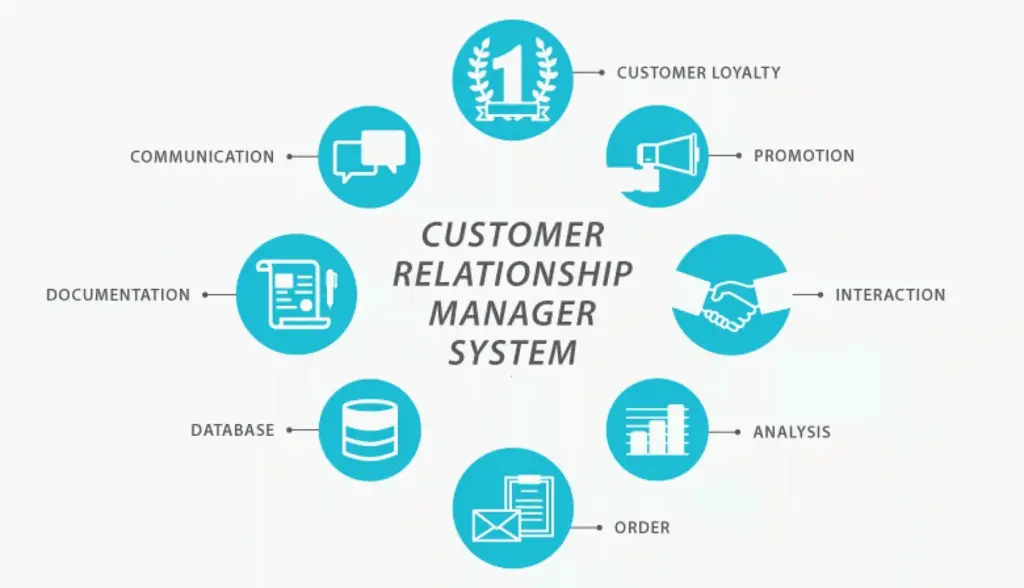
Customer relationship management is more than a software platform; it’s a philosophy that puts the customer at the heart of every business decision. In 2026, organizations that integrate CRM into their core operations see an average revenue increase of 12% and a churn reduction of 8%, according to the Gartner 2026 CRM Impact Survey. These numbers reflect how CRM software helps companies collect, analyze, and act on customer data across multiple channels—email, social media, phone, and in‑person interactions.
Key Components of Modern CRM
- Contact Management: A single, searchable repository for every prospect and client.
- Sales Automation: Automated lead scoring, workflow triggers, and pipeline forecasting.
- Customer Engagement: Multi‑channel messaging tools that enable personalized outreach.
- Analytics & Reporting: Dashboards that surface trends, ROI, and predictive insights.
- Integration Capabilities: Seamless connection with ERP, marketing automation, and help‑desk platforms.
Choosing the Right CRM Tool: A Step‑by‑Step Process
With a flood of options—from all‑in‑one suites to niche vertical solutions—selecting the ideal CRM can feel overwhelming. Follow this practical roadmap to ensure you pick a system that scales with your business.
Table of Contents
- What Is Customer Relationship Management and Why It Matters in 2026
- Key Components of Modern CRM
- Choosing the Right CRM Tool: A Step‑by‑Step Process
- 1. Define Business Objectives
- 2. Assess Current Data Landscape
- 3. Prioritize Must‑Have Features
- 4. Test for User Experience
- 5. Evaluate Cost of Ownership
- Real‑World Success Stories: How Companies Turned CRM Into Competitive Advantage
- Case Study 1: A Boutique Retailer Increases Repeat Purchases by 30%
- Case Study 2: A SaaS Startup Cuts Sales Cycle by 40%
- Data & Statistics Shaping CRM Adoption in 2026
- Common Pitfalls and How to Avoid Them
- 1. Ignoring Data Quality
- 2. Over‑Customizing Too Early
- 3. Under‑utilizing Analytics
- Practical Action Plan: Implementing CRM in Your Organization
- Future Trends: What’s Next for Customer Relationship Management?
- Frequently Asked Questions
- What size business can benefit from a CRM?
- Is a free CRM sufficient for growing businesses?
- How long does it take to see ROI from a CRM?
- Can CRM replace my existing marketing automation platform?
- What security measures should I look for?
1. Define Business Objectives
Start by mapping out measurable goals: increase lead conversion by 15%, reduce average response time to under two hours, or improve customer lifetime value (CLV) by 20%. Clear objectives guide the feature set you’ll need.
2. Assess Current Data Landscape
Audit where your customer data lives today—spreadsheets, email platforms, or legacy databases. A CRM that offers robust data migration tools will minimize disruption. The Monday CRM 2026 Review highlights how built‑in import wizards cut migration time in half for midsize firms.
3. Prioritize Must‑Have Features
Based on your objectives, rank features such as:
- Advanced lead scoring (essential for sales automation).
- Omnichannel communication (crucial for customer engagement).
- AI‑driven predictive analytics (helps anticipate churn).
- Customizable dashboards (for data‑driven decision‑making).
4. Test for User Experience
Arrange a free trial or sandbox environment. Involve sales reps, marketers, and support agents to gauge ease of use. A steep learning curve can erode adoption rates, a common pitfall highlighted in the Best CRM for Small Business 2026 guide.
5. Evaluate Cost of Ownership
Beyond subscription fees, consider implementation services, training, and integration costs. Some platforms offer a freemium tier—great for startups—while others provide enterprise‑grade security at a premium.
Real‑World Success Stories: How Companies Turned CRM Into Competitive Advantage
Case Study 1: A Boutique Retailer Increases Repeat Purchases by 30%
Using a cloud‑based CRM with built‑in loyalty automation, the retailer segmented customers by purchase frequency and sent personalized offers on birthdays. According to their internal report, repeat purchase rate jumped from 22% to 29% within six months.
Case Study 2: A SaaS Startup Cuts Sales Cycle by 40%
The startup integrated a CRM’s sales automation module with their marketing automation platform, automating lead hand‑off and follow‑up reminders. The average time from lead capture to closed‑won deal fell from 45 days to 27 days, a result echoed in the Free CRM Guide 2026.
Data & Statistics Shaping CRM Adoption in 2026
According to IDC’s 2026 Global CRM Market Forecast, worldwide spending on CRM solutions will reach US$115 billion, a 9% YoY growth. The same study shows that 67% of high‑performing sales teams now rely on AI‑enhanced lead scoring, while 54% have adopted chat‑bot integration for instant customer support.
Common Pitfalls and How to Avoid Them
1. Ignoring Data Quality
Duplicate records and outdated contact information can sabotage reporting accuracy. Implement routine data cleansing and enforce mandatory fields during entry.
2. Over‑Customizing Too Early
While tailoring workflows to exact processes sounds appealing, excessive customization can lock you into a specific vendor and make future upgrades costly. Start with out‑of‑the‑box features and iterate.
3. Under‑utilizing Analytics
Many teams collect data but never act on it. Schedule monthly review meetings where dashboards are examined, trends are discussed, and action items are assigned.
Practical Action Plan: Implementing CRM in Your Organization
- Kick‑off Meeting: Align leadership on CRM goals and budget.
- Data Migration: Export, clean, and import contacts; validate with a sample group.
- Configure Core Modules: Set up pipelines, automation rules, and email templates.
- Train Users: Conduct role‑based workshops and create quick‑reference guides.
- Launch Pilot: Run a 30‑day pilot with a single sales team; collect feedback.
- Full Rollout: Refine based on pilot insights, then expand organization‑wide.
- Continuous Improvement: Monitor KPIs quarterly and adjust automations as needed.
Future Trends: What’s Next for Customer Relationship Management?
Looking ahead, three emerging trends will reshape CRM landscapes:
- Hyper‑Personalization: AI will generate individualized product recommendations in real time, boosting conversion rates.
- Voice‑First Interfaces: Integration with smart assistants will let sales reps log notes and retrieve client history hands‑free.
- Privacy‑Centric Design: With stricter data regulations worldwide, CRM vendors will embed consent management tools directly into their platforms.
Frequently Asked Questions
What size business can benefit from a CRM?
From solo entrepreneurs to multinational corporations, any organization that interacts with customers can gain efficiencies and insights from a CRM system.
Is a free CRM sufficient for growing businesses?
Free CRM solutions are ideal for startups or small teams needing basic contact management and pipeline tracking. However, as your needs evolve—especially regarding automation and integration—a paid tier often provides the scalability required for sustained growth.
How long does it take to see ROI from a CRM?
Companies typically report measurable ROI within 3–6 months, driven by reduced manual tasks, improved lead conversion, and higher customer retention.
Can CRM replace my existing marketing automation platform?
Most modern CRMs include built‑in marketing automation, but if you have a highly specialized system, look for a CRM that offers native integration rather than full replacement.
What security measures should I look for?
Ensure the vendor provides end‑to‑end encryption, role‑based access controls, regular security audits, and compliance with standards such as GDPR, CCPA, and ISO 27001.
By treating customer relationship management as a strategic asset rather than a mere tool, you position your business to thrive in an increasingly competitive marketplace. Start with clear goals, choose a platform that aligns with your growth trajectory, and continually refine your processes—then watch your customer relationships—and revenue—flourish.
