Looking for a reliable way to streamline field service operations, reduce admin time, and boost revenue? Jobber software delivers exactly that by combining intelligent scheduling, mobile job management, and automated invoicing into one cloud‑based platform. In 2026, businesses that adopt Jobber report up to a 30 % cut in dispatch errors and a 22 % increase in cash flow, according to a recent survey by the Field Service Institute.
What Is Jobber Software and Why It Matters Today
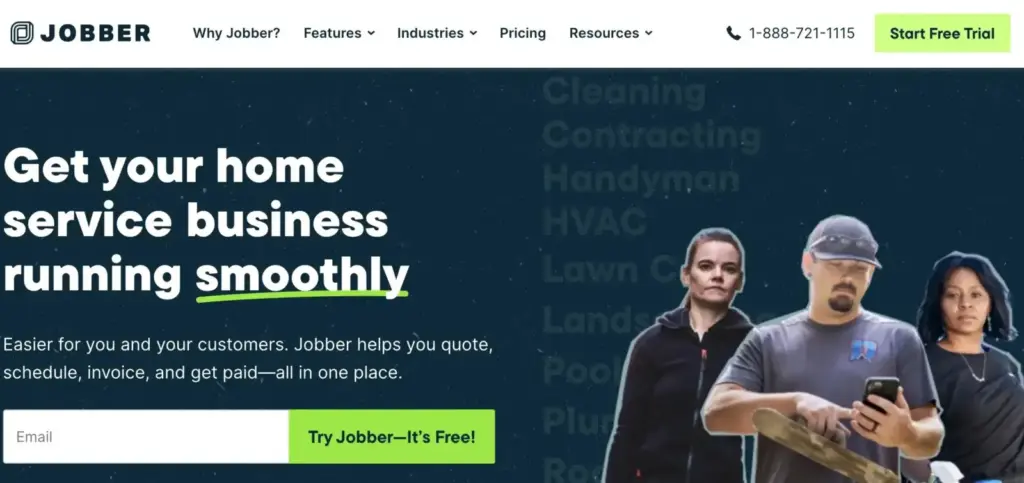
Jobber is a SaaS‑based field service management (FSM) tool designed for small‑to‑medium service businesses—think landscapers, cleaners, plumbers, and home‑tech installers. The core promise is simple: replace spreadsheets, paper schedules, and manual billing with a single, intuitive dashboard that can be accessed from any device. Because the platform runs on the cloud, teams can update job statuses, capture signatures, and generate estimates in real time, ensuring that the office, the field crew, and the customer stay on the same page.
Core Features That Define Jobber in 2026
- Smart Scheduling & Dispatch: An AI‑enhanced calendar suggests optimal routes and automatically balances workloads across technicians.
- Mobile App for Field Technicians: The iOS/Android app lets crews view job details, upload photos, and accept payments without returning to the office.
- Client Portal & Quote Builder: Customers can book appointments, review estimates, and pay invoices online, reducing back‑and‑forth emails.
- Invoicing Automation: Once a job is marked complete, Jobber generates a compliant invoice, applies taxes, and sends it directly to the client’s preferred payment method.
- Reporting & Forecasting: Built‑in analytics show revenue trends, technician utilization, and upcoming service contracts, helping owners make data‑driven decisions.
Real‑World Use Cases: Small Business Success Stories
Take the example of GreenScape Landscaping, a regional firm with 12 crews. After migrating from a legacy spreadsheet system to Jobber, the owner reported a 45 % reduction in missed appointments and a 17 % increase in average ticket size, thanks to the Simple CRM Guide 2026‘s recommendation to integrate client communication into the workflow. The mobile app allowed technicians to capture extra work on site, instantly converting it into a quote that the client could approve with a single tap.
Table of Contents
- What Is Jobber Software and Why It Matters Today
- Core Features That Define Jobber in 2026
- Real‑World Use Cases: Small Business Success Stories
- How Jobber Stacks Up Against Other Field Service Solutions
- Step‑by‑Step Implementation Guide for 2026
- Common Pitfalls and How to Avoid Them
- Frequently Asked Questions (FAQ)
- Is Jobber suitable for businesses with only one technician?
- Can Jobber integrate with popular accounting software?
- What level of data security does Jobber provide?
- How does Jobber handle recurring service contracts?
- Is there a free trial available?
Another case is CleanCo Home Services, which leveraged Jobber’s client portal to offer online self‑service booking. By enabling customers to choose time slots that fit their schedule, CleanCo saw a 28 % rise in repeat bookings within three months. The integrated invoicing automation also shortened the payment cycle from 45 days to an average of 12 days.
How Jobber Stacks Up Against Other Field Service Solutions
When evaluating FSM tools, it’s tempting to compare features side by side. Jobber’s competitive edge lies in its balance of depth and simplicity. While high‑end platforms like ServiceTitan offer extensive customization for large enterprises, they often require costly implementation projects. In contrast, Jobber delivers a ready‑to‑use experience with a modest subscription price, making it ideal for businesses with fewer than 50 employees.
For organizations that prefer open‑source flexibility, the Open Source CRM 2026: The Ultimate Guide outlines how to layer a free CRM on top of Jobber’s scheduling API, creating a hybrid stack that retains the best of both worlds. Meanwhile, the Mastering the Pipeline CRM article highlights how integrating a pipeline‑focused CRM can improve lead conversion rates when paired with Jobber’s quote generation feature.
Step‑by‑Step Implementation Guide for 2026
- Assess Your Current Workflow: Map out each step from lead capture to payment. Identify duplicate data entry points—these are the low‑hanging fruit for automation.
- Set Up Your Jobber Account: Choose the plan that matches your team size (Essentials, Core, or Complete). During onboarding, import your existing client list using the CSV template provided by Jobber.
- Configure Service Items and Pricing: Create standardized service categories (e.g., “Weekly Lawn Care” or “Emergency Plumbing”) and assign default rates. This ensures consistency when technicians generate quotes on the go.
- Integrate the Mobile App: Require all field staff to download the Jobber app. Conduct a short training session covering job acceptance, photo uploads, and on‑site payment collection.
- Enable the Client Portal: Customize the branding, add your logo, and set up online booking rules (e.g., buffer times between appointments). Communicate the new self‑service option to existing customers via email.
- Automate Invoicing & Payments: Connect your preferred payment gateway (Stripe, PayPal, or local banks). Turn on automatic reminders for overdue invoices to improve cash flow.
- Review Analytics Weekly: Use Jobber’s dashboard to monitor key metrics such as job completion rate, average response time, and revenue per technician. Adjust staffing or pricing based on these insights.
Common Pitfalls and How to Avoid Them
Even the best software can falter if implemented incorrectly. Here are three frequent mistakes and practical fixes:
- Skipping Data Cleansing: Importing outdated contacts leads to duplicate records. Deduplicate before migration using a tool like OpenRefine or Jobber’s built‑in duplicate checker.
- Underutilizing Automation: Many teams only use the scheduling feature and ignore invoicing automation. Set up rule‑based triggers (e.g., “Send thank‑you email 24 hours after job completion”) to get the full ROI.
- Neglecting Mobile Training: Field staff often revert to paper forms if they find the app confusing. Conduct hands‑on workshops and create quick‑reference cheat sheets.
Frequently Asked Questions (FAQ)
Is Jobber suitable for businesses with only one technician?
Yes. The Essentials plan supports solo operators, offering scheduling, client portal, and invoicing without the complexity of multi‑user permissions.
Can Jobber integrate with popular accounting software?
Jobber offers native integrations with QuickBooks Online, Xero, and Sage, allowing seamless transfer of invoices and expense data.
What level of data security does Jobber provide?
Jobber adheres to ISO 27001 standards, encrypts data at rest and in transit, and provides two‑factor authentication for all user accounts.
How does Jobber handle recurring service contracts?
The platform lets you set up recurring jobs with automatic reminders, ensuring that contracts are renewed on schedule and reducing manual follow‑up.
Is there a free trial available?
Jobber offers a 14‑day free trial with full feature access, giving you time to test scheduling, mobile app, and client portal before committing.
In summary, Jobber software equips service‑based businesses with a modern, cloud‑first toolkit that eliminates manual bottlenecks, improves field communication, and accelerates cash flow. By following the implementation steps above and avoiding common missteps, you can unlock the platform’s full potential and position your company for sustainable growth in 2026 and beyond.
