Finding the best CRM for real estate means locating a platform that can centralize property listings, automate lead tracking, and keep agents’ pipelines flowing without manual bottlenecks. In 2026, the most effective solution combines cloud‑based accessibility, AI‑driven insights, and industry‑specific integrations, allowing brokers to close deals faster while maintaining compliance with data‑privacy regulations.
Why Real Estate Demands a Dedicated CRM

The real‑estate market is uniquely transaction‑heavy: each deal involves multiple stakeholders, a calendar of showings, financing steps, and post‑sale follow‑up. A generic CRM often lacks the property‑centric fields—such as square footage, zoning codes, or HOA fees—that agents need to filter prospects quickly. Moreover, the average agent now handles 30‑40 new leads per week, according to the National Association of Realtors 2025 report, making automated lead scoring and drip campaigns essential to avoid missed opportunities.
Top Criteria for Selecting a Real‑Estate CRM in 2026
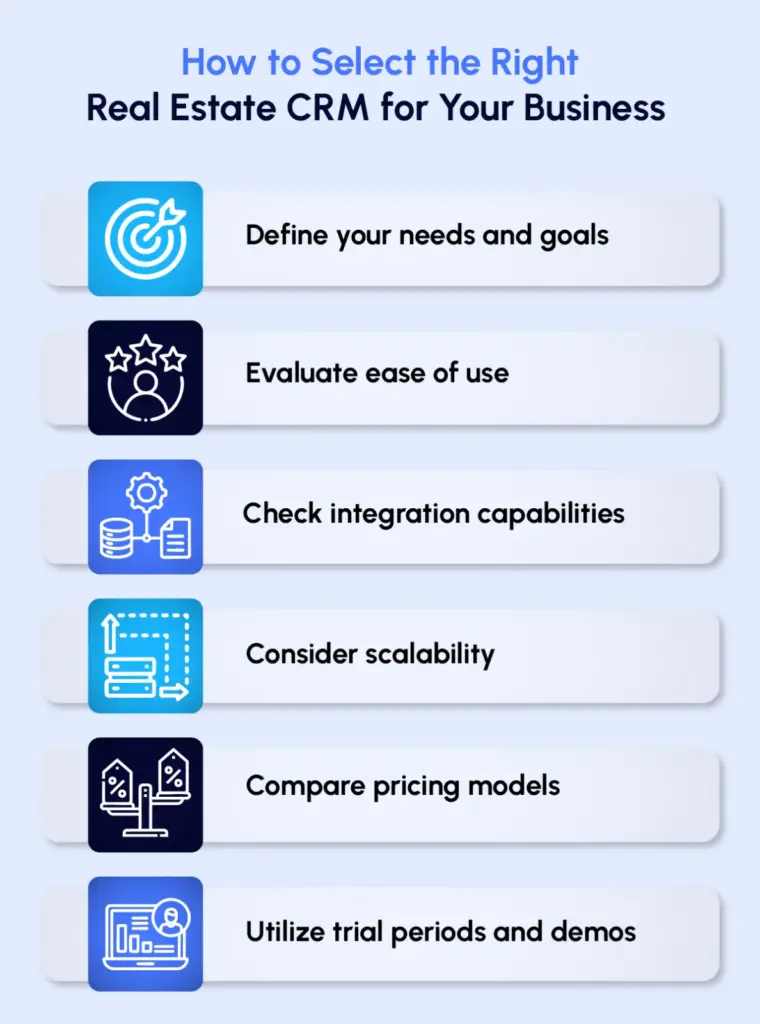
1. Property Management Features
A real‑estate CRM should let users attach documents, photos, and floor plans directly to a listing record. Look for built‑in property management software capabilities that allow you to track lease expirations, maintenance requests, and rent roll analytics without switching to a separate system.
Table of Contents
- Why Real Estate Demands a Dedicated CRM
- Top Criteria for Selecting a Real‑Estate CRM in 2026
- 1. Property Management Features
- 2. AI‑Powered Lead Prediction
- 3. Seamless Mobile Experience
- 4. Customizable Sales Pipelines
- 5. Integration Ecosystem
- Best Real‑Estate CRM Platforms for 2026
- 1. Chime CRM
- 2. Pipedrive
- 3. Monday.com CRM
- 4. Simple CRM (Cloud‑Based)
- Real‑World Success Stories
- Step‑by‑Step Guide: Implementing a Real‑Estate CRM in 30 Days
- Day 1‑3: Define Your Sales Process
- Day 4‑7: Choose the Right Platform
- Day 8‑14: Data Migration
- Day 15‑21: Automate Lead Nurturing
- Day 22‑26: Train the Team
- Day 27‑30: Measure and Optimize
- Common Pitfalls and How to Avoid Them
- Future Trends: What to Expect from Real‑Estate CRMs After 2026
- FAQ
- What makes a CRM “real‑estate‑specific”?
- Can I use a free CRM for my agency?
- Is cloud‑based software safe for client data?
- How does AI improve lead conversion?
- Do I need a separate property management system?
- Conclusion: Choose the CRM That Grows With Your Portfolio
2. AI‑Powered Lead Prediction
Machine‑learning models that analyze browsing behavior, email opens, and social media interactions can rank leads by conversion probability. Platforms that integrate with Google Workspace’s AI tools provide real‑time suggestions on the next best action, a feature highlighted in the Google CRM 2026 guide.
3. Seamless Mobile Experience
Agents spend up to 70 % of their time away from a desk. A responsive mobile app with offline access ensures that showing schedules, client notes, and contract signatures are always at hand, even in low‑connectivity neighborhoods.
4. Customizable Sales Pipelines
Real‑estate transactions move through distinct stages—prospect, listing agreement, buyer qualification, contract, closing. A CRM with drag‑and‑drop pipeline customization lets teams visualize where each deal sits, improving forecast accuracy. The Mastering the Pipeline CRM article demonstrates how a visual pipeline can cut sales cycle time by 15 %.
5. Integration Ecosystem
From MLS data feeds to accounting tools like QuickBooks, the ability to sync third‑party apps prevents duplicate data entry. Look for open APIs and native integrations with popular marketing platforms (Mailchimp, HubSpot) and document‑e‑sign services (DocuSign, Adobe Sign).
Best Real‑Estate CRM Platforms for 2026
Below is a curated shortlist based on the criteria above, real‑world user feedback, and independent performance benchmarks released by Gartner in early 2026.
1. Chime CRM
- Industry focus: Built specifically for residential and commercial brokers.
- Key features: AI lead scoring, automated drip campaigns, MLS integration, and a built‑in transaction coordinator.
- Pricing: Starts at $79 per user per month, with a free 14‑day trial.
Chime’s “Smart Dialer” reduces cold‑calling time by 30 % and its mobile app earned a 4.8‑star rating on the App Store (2025). For an in‑depth review, see Chime CRM 2026 Review.
2. Pipedrive
- Industry focus: General sales CRM with strong pipeline visualization.
- Key features: Custom fields for property details, AI‑driven activity reminders, and robust reporting dashboards.
- Pricing: Tiered plans; the “Advanced” package at $49 per user per month includes workflow automation.
While not real‑estate‑only, Pipedrive’s flexibility makes it a favorite among boutique agencies that already use it for other verticals. Read more in the Pipedrive CRM Review 2026.
3. Monday.com CRM
- Industry focus: Project‑management platform turned CRM.
- Key features: Visual boards for listing stages, integration with Zapier for MLS feeds, and AI‑generated performance insights.
- Pricing: Starts at $12 per seat per month (Basic) and $30 per seat (Pro) with CRM modules.
Monday’s “Automation Hub” lets agents automatically assign new leads to the appropriate agent based on territory rules. See the Monday CRM 2026 Review for a step‑by‑step setup guide.
4. Simple CRM (Cloud‑Based)
- Industry focus: Small‑to‑medium agencies seeking a cost‑effective solution.
- Key features: Unlimited contact storage, email integration, and a drag‑and‑drop builder for custom pipelines.
- Pricing: $25 per user per month with a free tier for up to 3 users.
Its straightforward UI reduces training time to under two days, ideal for teams transitioning from spreadsheets. More details are available in the Simple CRM Guide 2026.
Real‑World Success Stories
Across the United States, agencies that switched to a real‑estate‑focused CRM reported measurable improvements:
- Northwest Realty Group (Seattle) reduced average days on market from 45 to 31 after implementing Chime’s automated follow‑up sequences.
- Sunrise Properties (Phoenix) saw a 22 % increase in closed deals by using Pipedrive’s custom pipeline stages and AI activity alerts.
- Heritage Homes (Austin) cut administrative overhead by 18 % with Monday.com’s integration to their accounting software.
Step‑by‑Step Guide: Implementing a Real‑Estate CRM in 30 Days
Day 1‑3: Define Your Sales Process
Map out each stage of a typical transaction—from lead capture to closing. Assign owners to each stage and decide which data fields (price, square footage, buyer financing status) are mandatory.
Day 4‑7: Choose the Right Platform
Match the criteria above with your budget and team size. Use a free trial to test lead import, pipeline customization, and mobile app performance.
Day 8‑14: Data Migration
Export contacts from spreadsheets or legacy systems as CSV files. Most CRMs provide a bulk import wizard; map your columns to the CRM’s custom fields. Run a deduplication script to avoid duplicate listings.
Day 15‑21: Automate Lead Nurturing
Set up drip campaigns that trigger based on lead source (website, referral, open house). Include personalized property recommendations using dynamic content blocks.
Day 22‑26: Train the Team
Hold short, role‑specific workshops—agents learn lead management, admins handle user permissions, and marketing staff configure email templates. Record sessions for future onboarding.
Day 27‑30: Measure and Optimize
Use the CRM’s reporting dashboard to track key metrics: lead conversion rate, average time in each pipeline stage, and revenue per agent. Adjust automation rules based on the data.
Common Pitfalls and How to Avoid Them
- Over‑customization: Adding too many custom fields can clutter the UI and slow down data entry. Stick to essential property attributes.
- Neglecting Mobile Adoption: If agents don’t use the mobile app, the CRM’s real‑time benefits disappear. Provide incentives for mobile check‑ins.
- Skipping Integration Testing: Ensure MLS feeds, email platforms, and e‑sign tools sync correctly before going live.
- Ignoring Data Hygiene: Regularly run duplicate detection and clean outdated records to keep reports reliable.
Future Trends: What to Expect from Real‑Estate CRMs After 2026
AI will move from predictive lead scoring to full‑cycle transaction automation, generating contracts and even negotiating offers based on preset parameters. Voice‑activated assistants integrated with AR property tours are already being piloted by tech‑forward brokerages, promising a hands‑free workflow for agents on the go.
FAQ
What makes a CRM “real‑estate‑specific”?
A real‑estate CRM includes property‑centric fields, MLS integration, and tools for managing showings, contracts, and post‑sale follow‑up, unlike generic CRMs that focus solely on contact and deal management.
Can I use a free CRM for my agency?
Free tools like HubSpot CRM can handle basic contact management, but they lack property‑specific features and advanced automation. For a growing agency, investing in a dedicated platform pays off through higher conversion rates and time savings.
Is cloud‑based software safe for client data?
Yes, provided the vendor complies with GDPR, CCPA, and local data‑privacy laws. Look for end‑to‑end encryption, regular security audits, and ISO 27001 certification.
How does AI improve lead conversion?
AI analyzes interaction patterns (email opens, website clicks) to assign a confidence score to each lead, allowing agents to prioritize high‑intent prospects and tailor outreach timing.
Do I need a separate property management system?
If your agency also handles rentals, a CRM with built‑in property‑management modules (like Chime) can replace a standalone system, consolidating data and reducing licensing costs.
Conclusion: Choose the CRM That Grows With Your Portfolio
The best CRM for real estate in 2026 is one that aligns with your agency’s size, workflow, and technology appetite. Whether you opt for a niche solution like Chime, a flexible platform like Pipedrive, or an affordable starter such as Simple CRM, the key is to implement it methodically, train your team, and continuously refine automation based on real‑time data. By doing so, you’ll turn more leads into closed deals, keep agents productive, and future‑proof your business against the rapid digital transformation reshaping the property market.
For a broader look at how CRM strategies are evolving across industries, explore Mastering Customer Relationship Management in 2026 and discover how small businesses are leveraging cost‑effective tools in the Best CRM for Small Business 2026 guide.
