Understanding how a well‑designed pipeline CRM works is the fastest way to turn a chaotic sales process into a predictable revenue engine, and businesses of every size are demanding that clarity in 2026. By visualizing each deal from lead capture to close, a pipeline CRM not only highlights bottlenecks but also enables real‑time automation that shortens sales cycles by up to 35 % according to the 2026 Gartner Sales Automation Survey.
Why a Pipeline CRM Is No Longer Optional
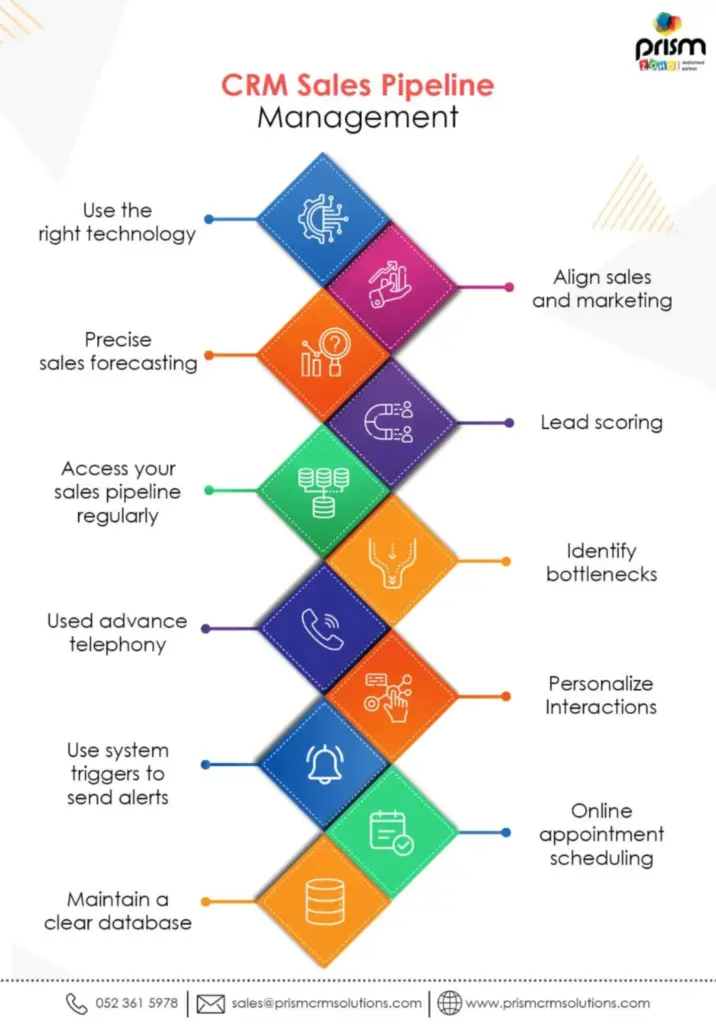
Modern buyers expect a seamless experience, and sales teams need a single source of truth to meet those expectations. A pipeline CRM integrates deal tracking, pipeline automation, and pipeline analytics into one interface, allowing managers to forecast revenue with confidence and reps to focus on selling instead of administrative chores. The Mastering Customer Relationship Management in 2026 guide emphasizes that companies that adopt a structured pipeline see a 27 % increase in win rates within the first year.
Core Components of an Effective Pipeline CRM
1. Clearly Defined CRM Pipeline Stages
Every organization should map its unique buyer journey into distinct stages—such as Prospect, Qualified, Proposal, and Closed‑Won/Lost. According to a 2025 Forrester study, firms with four to six well‑articulated stages close deals 22 % faster than those using vague or overly granular steps.
Table of Contents
- Why a Pipeline CRM Is No Longer Optional
- Core Components of an Effective Pipeline CRM
- 1. Clearly Defined CRM Pipeline Stages
- 2. Automated Deal Progression
- 3. Real‑Time Pipeline Analytics
- 4. Seamless Integration with Existing Tools
- Choosing the Right Pipeline CRM for Your Business
- Real‑World Success Stories
- Case Study 1: A SaaS Startup Doubles Close Rate
- Case Study 2: A Manufacturing Firm Improves Forecast Accuracy
- Step‑by‑Step Guide to Setting Up Your Pipeline CRM
- Common Pitfalls and How to Avoid Them
- Future Trends Shaping Pipeline CRM in 2026
- FAQ
- What is the difference between a CRM and a pipeline CRM?
- Can I use a pipeline CRM for B2C sales?
- How much does a pipeline CRM typically cost?
- Is data security a concern with cloud‑based pipeline CRMs?
- How often should I review my pipeline?
- Conclusion: Turn Your Sales Funnel Into a Predictable Engine
2. Automated Deal Progression
Automation isn’t just about moving cards; it’s about triggering actions at the right moment. When a prospect opens an email, the CRM can automatically set a reminder for a follow‑up call, assign a task to the appropriate account executive, and log the interaction in the timeline. This “pipeline automation” reduces manual entry time by an average of 14 minutes per deal (Salesforce 2026 Benchmark Report).
3. Real‑Time Pipeline Analytics
Live dashboards that show total pipeline value, weighted forecast, and stage‑by‑stage conversion rates empower leadership to make data‑driven decisions. The 2026 HubSpot State of CRM report shows that teams using visual analytics improve forecast accuracy from 58 % to 84 %.
4. Seamless Integration with Existing Tools
A pipeline CRM must speak the language of your tech stack—whether it’s marketing automation, ERP, or help‑desk platforms. Integration eliminates data silos and ensures that lead information captured in a landing‑page form instantly appears in the sales pipeline. The Ultimate 2026 Guide to CRM Tools highlights that integration capability is the top criterion for 68 % of decision‑makers when selecting a CRM.
Choosing the Right Pipeline CRM for Your Business
Not all CRMs are built the same. Below are three categories that align with different organizational needs:
- SMBs & Startups: Look for intuitive UI, low cost, and strong onboarding. Pipedrive, for example, offers a visual pipeline that can be customized in minutes.
- Mid‑Market Teams: Prioritize scalability, advanced reporting, and robust API support. Monday CRM’s 2026 review notes its flexible automation builder as a game‑changer.
- Enterprise Organizations: Require deep analytics, AI‑driven insights, and enterprise‑grade security. Solutions like Salesforce and Microsoft Dynamics excel here.
Real‑World Success Stories
Case Study 1: A SaaS Startup Doubles Close Rate
TechNova, a SaaS startup with 25 sales reps, adopted a pipeline CRM that visualized every prospect as a card on a Kanban board. By automating task assignments and integrating with their email platform, they reduced average sales cycle from 48 days to 29 days. The resulting increase in close rate lifted monthly recurring revenue (MRR) by 42 % within six months.
Case Study 2: A Manufacturing Firm Improves Forecast Accuracy
PT. Reka Industri, a mid‑size manufacturer in Indonesia, struggled with inaccurate forecasts due to manual spreadsheets. After implementing a pipeline CRM with built‑in analytics, their finance team reported a 30 % reduction in forecast variance. The company also used the CRM’s stage‑based probability settings to allocate resources more efficiently.
Step‑by‑Step Guide to Setting Up Your Pipeline CRM
- Map Your Buyer Journey – Conduct workshops with sales, marketing, and support to define the exact stages that reflect your sales process.
- Select a CRM That Matches Your Stage Count – Choose a platform that allows you to create custom stages without forcing a one‑size‑fits‑all model.
- Configure Automation Rules – Set triggers for email opens, meeting bookings, and deal stage changes to automate task creation and notifications.
- Import Existing Data – Use CSV import or native integrations to migrate leads, contacts, and historical deals into the new system.
- Train Your Team – Conduct role‑based training sessions and provide quick‑reference guides. Adoption rates soar when users understand the “why” behind each feature.
- Monitor and Refine – Review dashboard metrics weekly, adjust stage probabilities, and tweak automation rules based on actual performance.
Common Pitfalls and How to Avoid Them
- Over‑Complicating Stages – More than eight stages often cause confusion. Keep it simple and add sub‑stages only when necessary.
- Neglecting Data Hygiene – Duplicate contacts and stale records skew analytics. Implement regular deduplication routines.
- Ignoring User Feedback – Sales reps are the primary users; their input on workflow friction points is critical for continuous improvement.
- Skipping Integration Testing – Ensure that data flows correctly between your CRM and other tools before going live to avoid hidden gaps.
Future Trends Shaping Pipeline CRM in 2026
Artificial intelligence is moving from “nice‑to‑have” to “must‑have.” Predictive lead scoring, AI‑driven deal risk alerts, and conversational AI assistants that update pipeline status in real time are becoming standard. According to IDC’s 2026 CRM Outlook, vendors that embed AI into pipeline management will capture 34 % more market share over the next three years.
FAQ
What is the difference between a CRM and a pipeline CRM?
A traditional CRM stores contact and interaction data, while a pipeline CRM adds a visual, stage‑based view of each opportunity and automates progression through those stages.
Can I use a pipeline CRM for B2C sales?
Absolutely. While pipelines are often associated with B2B, many B2C businesses (e.g., high‑value retail, automotive) use pipeline CRM to manage large, complex purchases.
How much does a pipeline CRM typically cost?
Pricing varies widely. SaaS solutions for SMBs start at $12–$25 per user per month, whereas enterprise platforms can exceed $150 per user per month, depending on modules and customization.
Is data security a concern with cloud‑based pipeline CRMs?
Reputable vendors comply with ISO 27001, GDPR, and local data protection regulations. Always verify security certifications before signing a contract.
How often should I review my pipeline?
Best practice is a weekly “pipeline review” meeting to assess stage health, identify stalled deals, and re‑allocate resources as needed.
Conclusion: Turn Your Sales Funnel Into a Predictable Engine
Implementing a pipeline CRM is less about buying software and more about redesigning the way your organization visualizes and manages revenue. By defining clear stages, automating routine tasks, and leveraging real‑time analytics, businesses can not only boost win rates but also achieve the forecast reliability that investors and executives demand. Start with a modest pilot, involve your frontline sellers, and let the data guide the next iteration. The result? A sales process that moves as smoothly as water down a well‑engineered pipe.
Ready to see how a modern pipeline CRM can transform your sales outcomes? Explore the Pipedrive CRM Review 2026 for an in‑depth look at a platform that epitomizes visual pipeline management.
