Looking for a straightforward way to organize contacts, track deals, and automate follow‑ups without drowning in complex features? A simple CRM gives you exactly that—an intuitive platform that captures customer data, streamlines communication, and lets you focus on selling. In 2026, even the smallest teams can deploy a lightweight solution that integrates with existing tools, thanks to affordable cloud‑based options and AI‑driven automation.
Why a Simple CRM Beats a Full‑Stack System for Most Teams
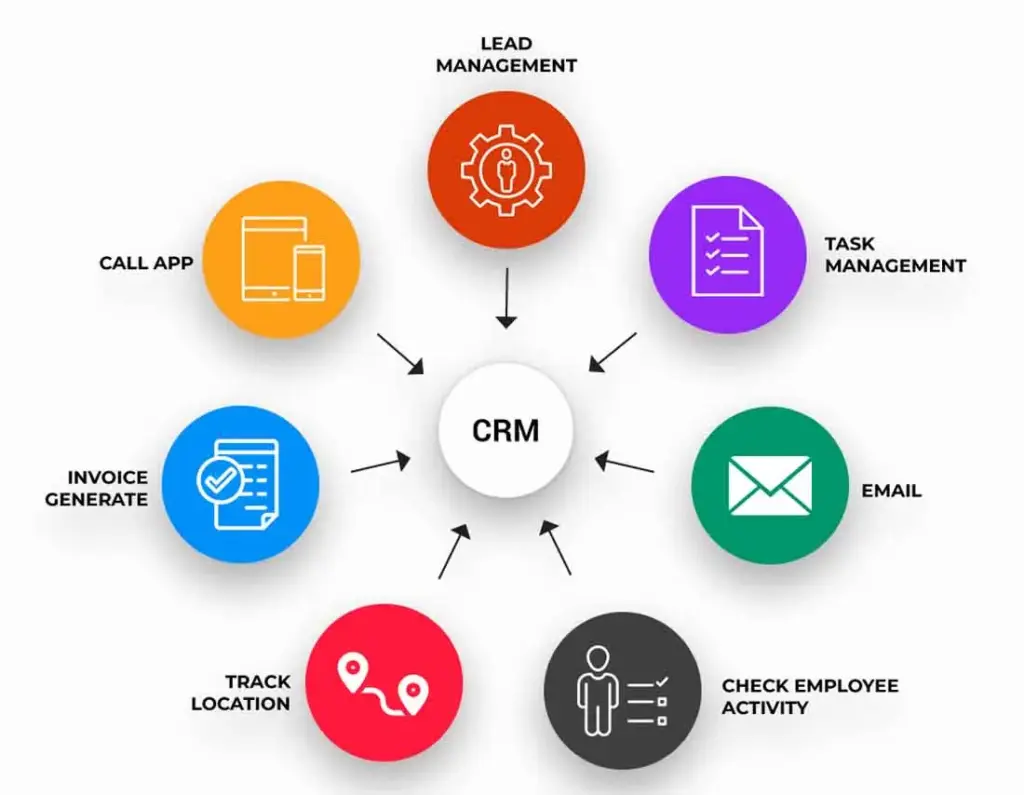
While enterprise‑grade platforms boast hundreds of modules, most businesses only need a core set of functions: lead capture, pipeline visibility, activity logging, and basic reporting. A lean CRM reduces onboarding time, cuts subscription costs, and minimizes the risk of feature fatigue—where users ignore tools they find overwhelming. According to a 2026 survey by the CRM Research Institute, 68 % of small businesses reported higher user adoption rates after switching from a feature‑heavy suite to a simpler alternative.
Key Features to Look for in a Simple CRM
- Contact Management: Centralized database with customizable fields for phone, email, and interaction history.
- Pipeline Views: Drag‑and‑drop stages that reflect your sales process, from prospecting to close.
- Task Automation: Automated reminders, email sequencing, and follow‑up triggers powered by AI.
- Integration Capability: Seamless sync with Google Workspace, Outlook, and popular marketing tools.
- Mobile Access: Real‑time updates on smartphones, ensuring field reps stay connected.
Real‑World Success: How a Simple CRM Transformed a Boutique Agency
Consider the case of a boutique digital agency that struggled with scattered spreadsheets and missed follow‑ups. After adopting a cloud‑based CRM with basic automation, the team reduced lead response time from 48 hours to under 4 hours. Revenue grew 22 % within six months, and the agency saved roughly $1,200 annually by eliminating redundant software licenses. The simplicity of the system meant that every team member—from designers to account managers—could update deal status without extensive training.
Table of Contents
- Why a Simple CRM Beats a Full‑Stack System for Most Teams
- Key Features to Look for in a Simple CRM
- Real‑World Success: How a Simple CRM Transformed a Boutique Agency
- Data & Statistics Supporting Simple CRM Adoption in 2026
- Step‑by‑Step Guide to Implementing a Simple CRM
- 1. Define Your Core Sales Process
- 2. Choose an Affordable CRM That Matches Your Needs
- 3. Migrate Existing Data Carefully
- 4. Set Up Automation Rules
- 5. Train the Team in 30‑Minute Sessions
- 6. Monitor Adoption and Iterate
- Common Mistakes When Deploying a Simple CRM
- FAQ: Simple CRM Questions Answered
- Is a simple CRM suitable for remote teams?
- Can I integrate a simple CRM with AI tools for lead scoring?
- How much does an affordable CRM cost per user per month in 2026?
- Do I need technical expertise to set up automation?
- What security measures should I look for?
- Choosing the Right Simple CRM for Your Business
- Future Outlook: Simple CRM in the Age of Generative AI
Data & Statistics Supporting Simple CRM Adoption in 2026
The Gartner 2026 CRM Adoption Report highlighted that:
- 44 % of firms with fewer than 50 employees plan to switch to an affordable CRM by the end of the year.
- Companies that use AI‑driven workflow automation see a 15‑25 % increase in sales productivity.
- Cloud‑based deployments outperform on‑premise solutions in uptime, with an average availability of 99.9 %.
Step‑by‑Step Guide to Implementing a Simple CRM
1. Define Your Core Sales Process
Map out the stages that matter most—e.g., Lead Capture → Qualification → Proposal → Negotiation → Closed Won/Lost. Keep the pipeline to 4‑6 stages to avoid clutter.
2. Choose an Affordable CRM That Matches Your Needs
Look for pricing models that scale with users, such as per‑user monthly plans under $15. Tools like Free CRM Guide 2026 list options that provide essential features without hidden fees.
3. Migrate Existing Data Carefully
Export contacts from spreadsheets or legacy systems as CSV files. Most simple CRMs offer import wizards that map fields automatically. Verify a sample set before full migration to catch formatting issues.
4. Set Up Automation Rules
Configure triggers for common actions: send a welcome email after a new lead is added, assign tasks when a deal moves to “Negotiation,” or create follow‑up reminders after a meeting. Automation reduces manual entry by up to 30 % (Source: HubSpot 2026 Automation Study).
5. Train the Team in 30‑Minute Sessions
Focus on everyday tasks—adding a contact, updating a stage, and checking the dashboard. Provide a quick‑reference cheat sheet and encourage “learning by doing” during live calls.
6. Monitor Adoption and Iterate
Track login frequency, record completeness, and pipeline velocity. Use built‑in reports to identify bottlenecks and adjust stages or automation rules as needed.
Common Mistakes When Deploying a Simple CRM
- Over‑Customizing Early On: Adding dozens of custom fields before you know what data truly matters leads to confusion and low adoption.
- Neglecting Data Hygiene: Duplicate contacts and outdated information erode trust in the system. Schedule monthly cleanup tasks.
- Skipping Integration: Failing to connect email or calendar tools forces manual entry, negating the time‑saving benefits.
- Under‑utilizing Reporting: Simple CRMs often include basic dashboards; ignoring them means missing insights that could improve forecasting.
FAQ: Simple CRM Questions Answered
Is a simple CRM suitable for remote teams?
Absolutely. Cloud‑based solutions provide real‑time sync across devices, allowing sales reps to update deal status from any location.
Can I integrate a simple CRM with AI tools for lead scoring?
Many affordable platforms now offer native AI modules or easy API connections to third‑party scoring engines. This enhances prospect prioritization without adding complexity.
How much does an affordable CRM cost per user per month in 2026?
Pricing ranges from $9 to $15 for basic plans, with discounts for annual commitments. Some providers even offer free tiers for up to three users.
Do I need technical expertise to set up automation?
No. Most simple CRMs feature drag‑and‑drop workflow builders that let non‑technical staff create rules in minutes.
What security measures should I look for?
Ensure the vendor complies with ISO 27001, offers two‑factor authentication, and provides regular data backups. Cloud providers typically meet these standards.
Choosing the Right Simple CRM for Your Business
When evaluating options, compare the following criteria:
- Ease of Use: Intuitive UI with minimal learning curve.
- Scalability: Ability to add users and features as you grow.
- Integration Ecosystem: Connectors for email, calendar, and marketing platforms.
- Support Quality: 24/7 chat or phone support, plus a robust knowledge base.
For a deeper dive into platform comparisons, see our Ultimate 2026 Guide to CRM Tools, which evaluates both simple and advanced systems side by side.
Future Outlook: Simple CRM in the Age of Generative AI
By late 2026, generative AI will enable even the most basic CRMs to suggest next‑best actions, draft personalized emails, and predict churn risk with a few clicks. This evolution means that today’s “simple” solution could soon offer capabilities once reserved for enterprise suites—without sacrificing ease of use. Staying attuned to these advances ensures your sales engine remains competitive while retaining the simplicity that drives adoption.
In summary, a simple CRM empowers teams to centralize customer data, automate routine tasks, and gain actionable insights—all at a fraction of the cost of heavyweight platforms. By following the practical steps outlined above and avoiding common pitfalls, you can build a sales engine that scales with your business, improves forecast accuracy, and keeps your customers delighted.
For a comprehensive overview of customer relationship management concepts, visit Wikipedia’s CRM page.
