When businesses search for “crm tools,” they’re looking for a single solution that can centralize customer data, automate sales outreach, and boost revenue growth—all without adding complexity. In 2026 the most effective CRM platforms combine AI‑driven insights, seamless integration with marketing stacks, and real‑time pipeline tracking, allowing teams to turn every interaction into a measurable outcome. If you’re wondering which system fits your workflow, start by mapping your sales process and then compare features against proven benchmarks like those highlighted in the Monday CRM 2026 Review.
Understanding CRM Tools: The Backbone of Modern Customer Management
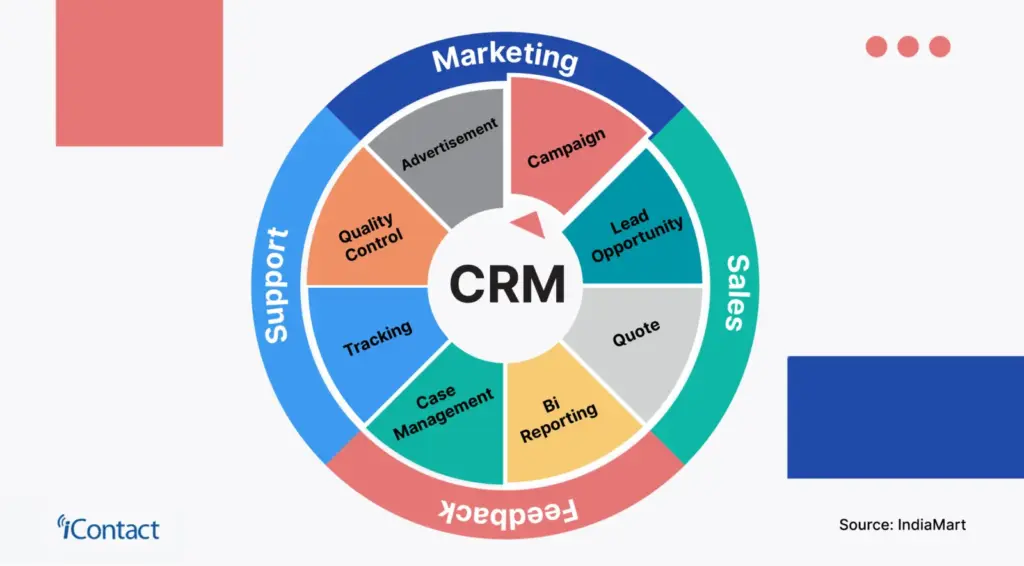
Customer relationship management software (CRM) is no longer a luxury; it’s a strategic necessity. By aggregating contact information, purchase history, and communication logs, a CRM provides a 360° view of each client. This unified repository enables sales automation, personalized marketing, and data‑driven decision‑making—all key drivers of higher conversion rates.
According to the Gartner 2025 CRM Market Guide, global spending on CRM solutions topped $73.5 billion, reflecting a 12 % year‑over‑year increase as enterprises prioritize customer experience. The same report notes that businesses using AI‑enhanced CRM tools saw an average 15 % lift in pipeline velocity, underscoring the impact of advanced analytics.
Table of Contents
- Understanding CRM Tools: The Backbone of Modern Customer Management
- Key Features to Evaluate in 2026 CRM Tools
- Choosing the Right CRM for Different Business Sizes
- Start‑ups and Freelancers
- Small‑to‑Medium Enterprises (SMEs)
- Enterprises and High‑Growth Companies
- Real‑World Success Stories: How Companies Leverage CRM Tools
- Monday CRM Boosts Revenue by 27 %
- Free CRM Adoption Accelerates Growth for a Local Retail Chain
- Step‑by‑Step Guide to Selecting and Implementing a CRM
- Common Pitfalls and How to Avoid Them
- FAQ: Quick Answers to Common Questions About CRM Tools
- What’s the difference between a CRM and a contact management system?
- Do I need AI in my CRM?
- Can I integrate a CRM with my existing email marketing platform?
- How long does a typical CRM implementation take?
- Is a free CRM sufficient for a growing business?
- Future Trends: What to Expect from CRM Tools in the Next Five Years
Key Features to Evaluate in 2026 CRM Tools
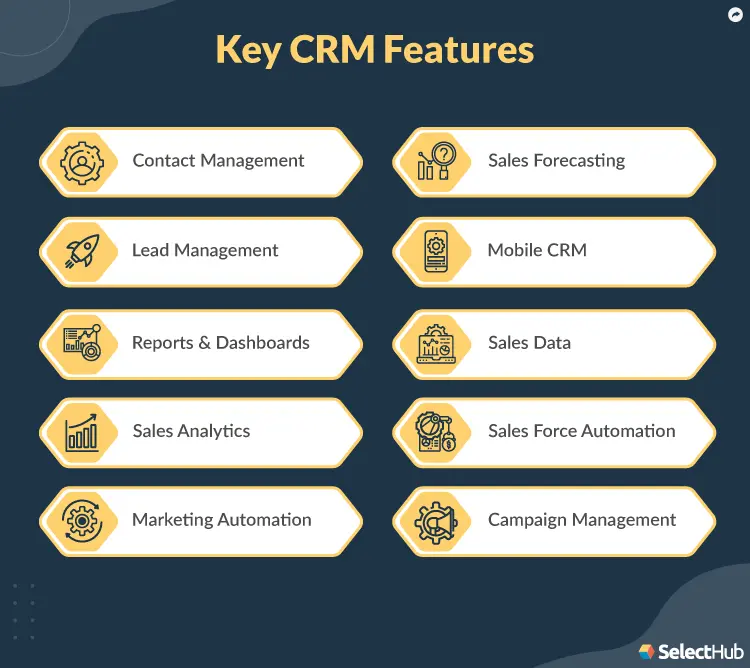
Not all CRM platforms are created equal. Below are the must‑have capabilities that differentiate a best‑in‑class system from a basic contact manager:
- AI‑powered lead scoring: Algorithms analyze behavior, firmographics, and engagement to prioritize prospects automatically.
- Omnichannel integration: Syncs email, phone, live chat, social media, and even SMS into a single timeline.
- Customizable pipelines: Drag‑and‑drop stages that reflect your unique sales methodology.
- Robust reporting & dashboards: Real‑time visualizations that align with KPI frameworks such as CAC, LTV, and churn.
- Third‑party app marketplace: Easy integration with tools like HubSpot, QuickBooks, and Zapier for seamless workflow automation.
Choosing the Right CRM for Different Business Sizes
Whether you’re a solo founder or a multinational corporation, the scale of your operation dictates the CRM features you’ll need most.
Start‑ups and Freelancers
For teams with fewer than ten users, simplicity and cost are paramount. Free CRM options such as Free CRM Guide 2026 highlight tools that offer unlimited contacts, basic pipeline management, and essential email integration without a subscription fee. These platforms often support contact management and basic sales automation, allowing new businesses to test the waters before committing to a paid plan.
Small‑to‑Medium Enterprises (SMEs)
SMEs typically require more advanced analytics, team collaboration, and integration with accounting software. The Best CRM for Small Business 2026 article recommends solutions that balance affordability with features like custom fields, territory management, and workflow automation. Look for a tool that can scale as you add users and that offers a clear upgrade path.
Enterprises and High‑Growth Companies
Large organizations need enterprise‑grade security, extensive API libraries, and the ability to handle millions of records. Platforms such as Salesforce, Microsoft Dynamics 365, and Monday.com’s enterprise tier deliver enterprise‑level CRM integration capabilities, AI‑driven forecasting, and granular permission controls.
Real‑World Success Stories: How Companies Leverage CRM Tools
Concrete examples illustrate the tangible impact of a well‑implemented CRM.
Monday CRM Boosts Revenue by 27 %
A mid‑size SaaS company migrated to Monday CRM in early 2026, consolidating sales, support, and marketing data into a single workspace. Within six months, the organization reported a 27 % increase in closed‑won deals, thanks to automated lead routing and AI‑driven opportunity scoring. The full case study can be read in the Monday CRM 2026 Review, which details the configuration steps that delivered those results.
Free CRM Adoption Accelerates Growth for a Local Retail Chain
A boutique retailer with 15 stores adopted a free CRM platform to manage loyalty program members. By linking purchase history with email campaigns, the retailer achieved a 22 % uplift in repeat visits within three months. The success was documented in the Free CRM Guide 2026, showcasing how low‑cost tools can still drive measurable ROI.
Step‑by‑Step Guide to Selecting and Implementing a CRM
Implementing a CRM is a project, not a one‑off purchase. Follow these actionable steps to ensure a smooth rollout:
- Define business objectives: Identify the metrics you want to improve—lead conversion, average deal size, or customer retention.
- Map your sales process: Document each stage from prospecting to post‑sale support. This map will inform pipeline configuration.
- Shortlist platforms: Use the feature checklist above to narrow choices. Prioritize tools that offer a free trial or sandbox environment.
- Run a pilot: Deploy the CRM with a single team (e.g., inside sales) and measure key performance indicators against baseline data.
- Train your team: Conduct role‑based training sessions and create a knowledge base for common tasks.
- Integrate with existing tech stack: Connect email, calendar, and ERP systems via native integrations or Zapier workflows.
- Monitor adoption and iterate: Use built‑in analytics to track user activity and refine workflows based on feedback.
Common Pitfalls and How to Avoid Them
Even with the best CRM, organizations can stumble if they ignore critical best practices.
- Under‑estimating data hygiene: Duplicate contacts and outdated information corrupt reporting. Implement automatic de‑duplication and regular data audits.
- Over‑customization: Excessive custom fields and automations can slow performance. Start with core features and expand gradually.
- Lack of executive sponsorship: Without leadership buy‑in, adoption stalls. Secure a champion at the C‑level to drive accountability.
- Neglecting mobile usability: Field reps need on‑the‑go access. Choose a platform with a robust mobile app and offline capabilities.
FAQ: Quick Answers to Common Questions About CRM Tools
What’s the difference between a CRM and a contact management system?
A contact management system stores basic information like names and phone numbers, while a CRM adds interaction history, sales pipeline stages, and automation features that turn data into actionable insights.
Do I need AI in my CRM?
AI isn’t mandatory, but AI‑driven lead scoring and predictive forecasting can increase efficiency. If your sales cycle is complex, AI can help prioritize high‑value opportunities.
Can I integrate a CRM with my existing email marketing platform?
Yes. Most modern CRMs offer native integrations or APIs that sync contact lists, segmentation rules, and campaign performance data in real time.
How long does a typical CRM implementation take?
Implementation timelines vary, but a focused pilot for a small team can be completed in 4‑6 weeks, while enterprise rollouts may span 3‑6 months.
Is a free CRM sufficient for a growing business?
Free CRMs are ideal for early‑stage startups, but as your organization scales, you’ll likely need advanced features such as custom reporting, role‑based permissions, and deeper integrations—capabilities found in paid plans.
Future Trends: What to Expect from CRM Tools in the Next Five Years
Looking ahead, CRM platforms will increasingly embed generative AI, enabling natural‑language queries (“Show me last month’s churn rate”) and automated content creation for outreach emails. Additionally, the rise of privacy‑first regulations will push vendors to offer more granular consent management and data residency options.
Staying ahead of these trends means selecting a flexible, cloud‑based system that can evolve without costly migrations. As the market continues to mature, the businesses that embrace adaptive CRM strategies will maintain a competitive edge in customer experience.
Choosing the right CRM tool is a strategic investment that pays dividends across sales, marketing, and customer support. By focusing on AI‑enhanced automation, seamless integration, and scalable features, you can transform raw data into lasting relationships and measurable growth.
